Toronto Real Estate Market 2026: What Buyers and Renters Need to Know
Toronto's real estate market is one of the most discussed topics in the city. Everyone has an opinion — your Uber driver, your colleague, your parents. The challenge is separating signal from noise.
This is not a market forecast or investment pitch. It is a straightforward overview of where things stand, what different property types cost, and what you should realistically expect whether you are buying, renting, or just trying to understand the landscape.

The Big Picture
Toronto's housing market has been through significant cycles. After the rapid run-up through the pandemic years and the subsequent correction when interest rates rose, the market has entered a period of relative stabilisation. Prices in most categories have settled, though affordability remains a genuine challenge.
A few key numbers to frame the conversation:
| Metric | Current (Approx.) |
|---|---|
| Average home price (all types, City of Toronto) | ~$1.05M |
| Average detached home | ~$1.55M |
| Average semi-detached | ~$1.15M |
| Average condo apartment | ~$680K |
| Average townhouse | ~$850K |
| Average 1BR rent (downtown) | ~$2,400/mo |
| Average 1BR rent (inner suburbs) | ~$1,950/mo |
Prices are approximate and vary significantly by neighbourhood. Consult current MLS data for up-to-date figures.
Buying: What to Expect by Property Type
Condos ($500K–$900K)
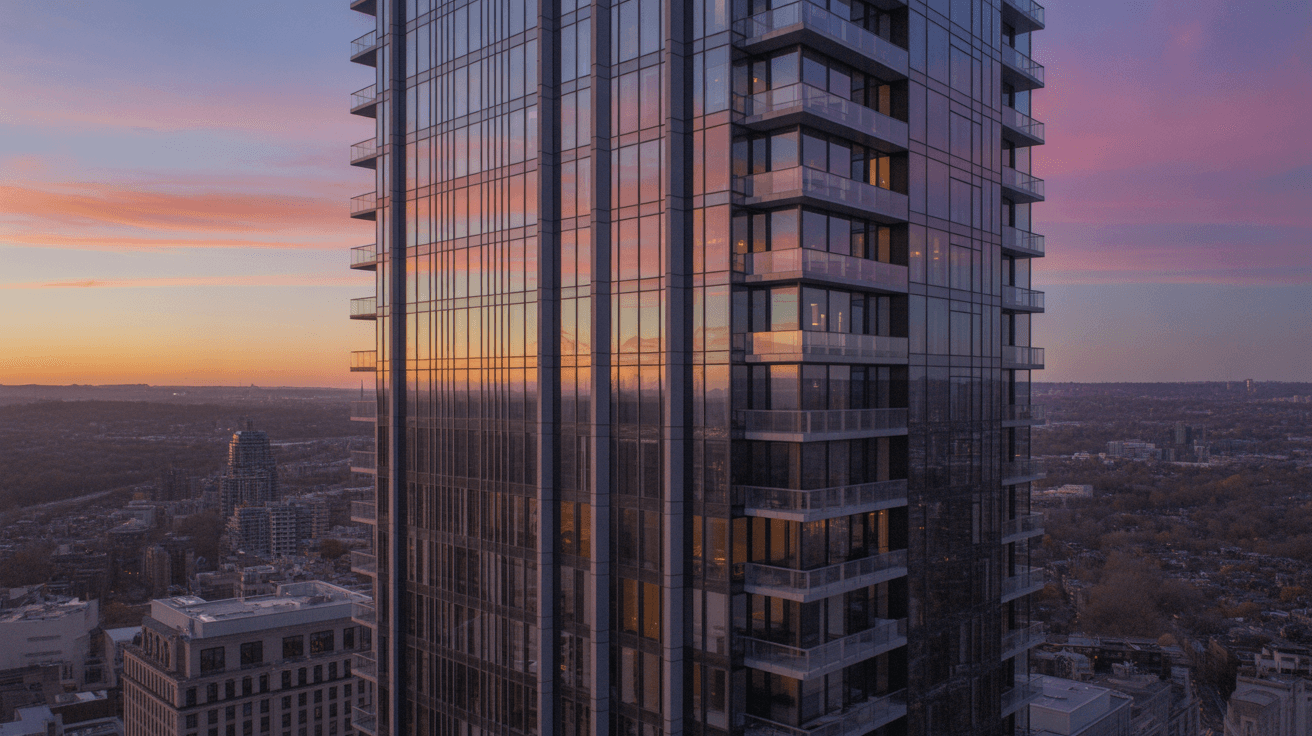
Condos remain the entry point for most first-time buyers in Toronto. The downtown core has the highest density of supply, and prices have softened slightly as new completions increase inventory.
What your money gets you:
- $500K–$600K: Studio or small one-bedroom in a newer building. Likely 400–550 sq ft. Maintenance fees of $400–$600/month.
- $600K–$750K: Comfortable one-bedroom or one-bedroom-plus-den. Slightly older buildings often offer better value per square foot.
- $750K–$900K: Two-bedroom in a mid-range building, or a premium one-bedroom in a desirable location.
Key considerations:
- Maintenance fees are a significant ongoing cost and tend to increase annually
- Condo boards and reserve funds matter — always review the status certificate before purchasing
- Pre-construction condos offer lower entry prices but come with occupancy risk and may not appreciate as expected
- Parking is often sold separately ($50K–$80K) or not available at all

Townhouses ($700K–$1.2M)
Townhouses offer a middle ground between condo living and full house ownership. Supply is limited in the old city of Toronto but more plentiful in North York, Scarborough, and Etobicoke.
Where to look:
- Corktown and the West Don Lands have newer townhouse developments at premium prices
- Scarborough and North York offer established townhouse communities with more reasonable pricing
- Etobicoke has a mix of older and newer townhouse stock
Semi-Detached Homes ($900K–$1.5M)
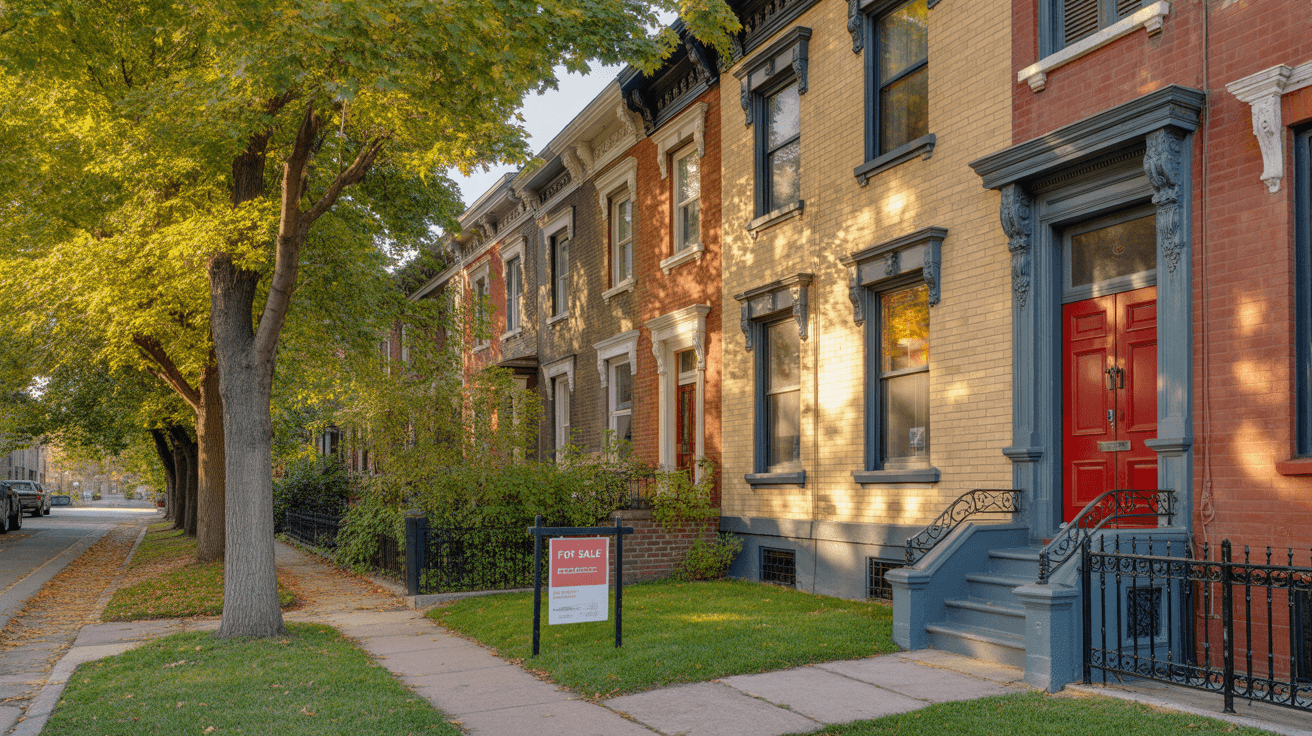
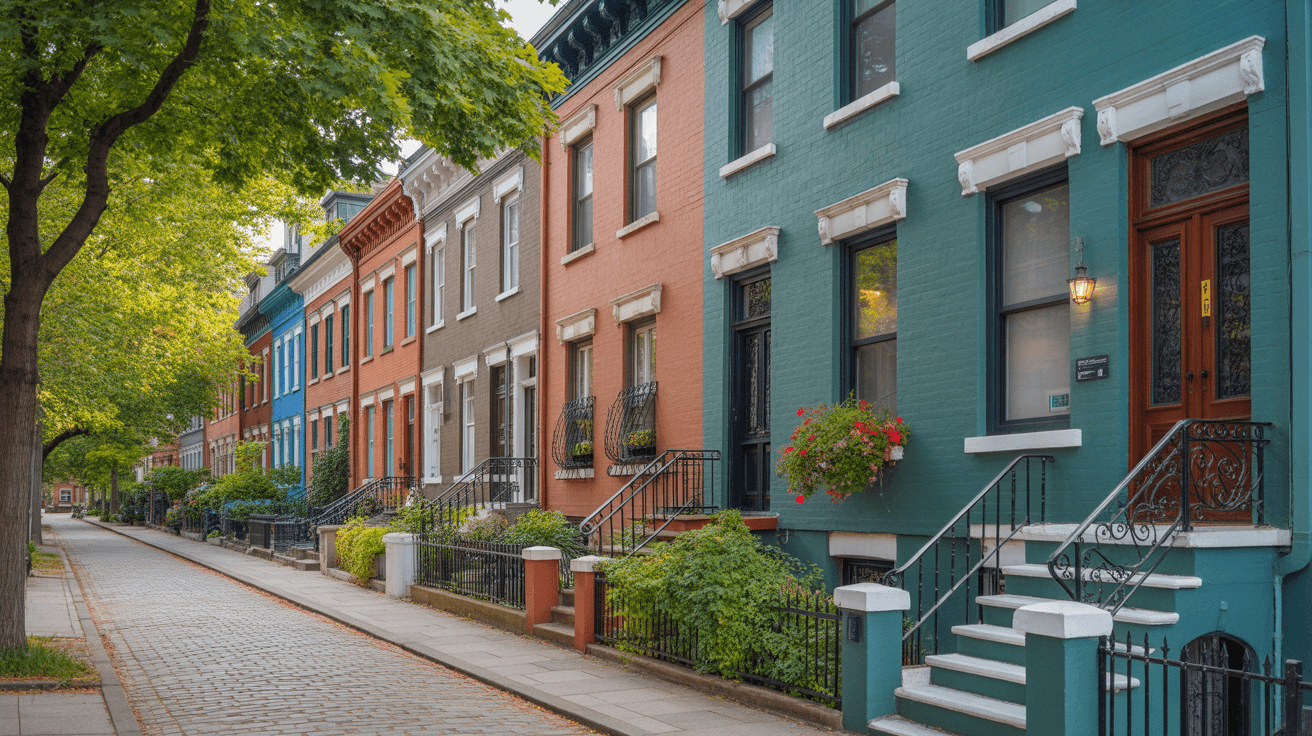
Semis are the classic Toronto housing type — found across the old city's residential neighbourhoods. They offer more space than a condo and more affordability than a detached home.
Price range by area:
- East end (Leslieville, Riverdale): $1.0M–$1.4M
- West end (Roncesvalles, Junction): $1.1M–$1.5M
- Central (Annex, Little Italy): $1.2M–$1.6M
- Inner suburbs: $800K–$1.1M
Detached Homes ($1.0M–$3.0M+)
Detached homes in Toronto proper are the most expensive category and the most variable. A detached home in Scarborough and a detached home in Rosedale are barely the same asset class.
Price range by area:
- Scarborough, North York (outer): $1.0M–$1.5M
- Etobicoke: $1.1M–$1.8M
- East York, Leaside: $1.5M–$2.5M
- Central Toronto (Annex, High Park): $1.8M–$3.0M+
- Premium (Rosedale, Forest Hill, Lawrence Park): $2.5M–$10M+
Renting: The Current Landscape
Average Rents by Area
| Area | Studio | 1BR | 2BR |
|---|---|---|---|
| Downtown core | $1,900 | $2,400 | $3,200 |
| Midtown (Yonge & Eg, Davisville) | $1,700 | $2,200 | $2,900 |
| West end (Parkdale, Junction) | $1,600 | $2,100 | $2,700 |
| East end (Leslieville, Danforth) | $1,600 | $2,000 | $2,600 |
| North York | $1,500 | $1,900 | $2,500 |
| Scarborough | $1,400 | $1,800 | $2,300 |
| Etobicoke | $1,500 | $1,900 | $2,400 |
Tenant Rights in Ontario
Ontario has strong tenant protections that are worth understanding:
- Rent control applies to most units first occupied before November 2018. Annual increases are capped by the provincial guideline (typically 2–3%).
- Units first occupied after November 2018 are exempt from rent control. Landlords can increase rent by any amount with 90 days' notice.
- Eviction protections are robust. A landlord cannot evict you simply because the lease term ends — tenancies automatically continue month-to-month.
- First and last month's rent is the maximum a landlord can request upfront. Security deposits beyond last month's rent are illegal in Ontario.
- The Landlord and Tenant Board (LTB) handles disputes. Processing times have improved but can still take several months.
First-Time Buyer Practical Guide
If you are buying for the first time in Toronto, here is what the process actually looks like:
1. Get Pre-Approved First
Talk to a mortgage broker (not just your bank). Brokers can access multiple lenders and often find better rates. Pre-approval tells you exactly what you can afford and signals to sellers that you are serious.
2. Understand the True Costs
The purchase price is not the full cost. Budget for:
- Land transfer tax: Toronto has both a municipal and provincial land transfer tax. On a $700K condo, expect roughly $20K in land transfer taxes combined. First-time buyers get a partial rebate.
- Legal fees: $1,500–$2,500
- Home inspection: $500–$700 (always get one, even for condos)
- Title insurance: $200–$400
- Moving costs: $500–$2,000
- Condo status certificate review: $300–$500
3. The Bidding Process
Toronto's market occasionally sees multiple offers, particularly for desirable properties under $1M. Your agent's guidance is crucial here. Be prepared to:
- Move quickly when you find the right property
- Have your financing sorted in advance
- Know your absolute ceiling and stick to it
- Consider properties that have been sitting on the market — negotiation opportunities exist
4. Choose Your Neighbourhood Carefully
Where you buy matters more than what you buy. A smaller home in a well-connected, appreciating neighbourhood will likely outperform a larger home in a less desirable area. Consider:
- Transit access (proximity to subway is a consistent value driver)
- Schools (even if you do not have children, school quality affects resale)
- Walkability and local amenities
- Future development plans (check the city's Official Plan)
The Rent vs. Buy Question
This is the question every Toronto renter eventually asks. The honest answer: it depends on your specific situation.
Renting may make more sense if:
- You are not sure you will stay in Toronto for 5+ years
- You value flexibility and mobility
- You are building savings but are not yet at a comfortable down payment level
- The carrying costs of ownership (mortgage + maintenance + taxes + insurance) exceed your rent by a significant margin
Buying may make more sense if:
- You plan to stay in Toronto long-term (7+ years)
- You have a stable income and can handle the carrying costs
- You have 10–20% for a down payment (avoiding CMHC insurance saves thousands)
- You are comfortable with the maintenance and financial responsibilities of ownership
There is no shame in renting in Toronto. Many financially successful people choose to rent because the math works in their favour or because they value the flexibility. The cultural pressure to own should not drive a decision this significant.
Resources
- TRREB (Toronto Regional Real Estate Board): Monthly market reports with detailed statistics
- Toronto.Community neighbourhood pages: Walk scores, transit access, and local insights for every neighbourhood
- CMHC (Canada Mortgage and Housing Corporation): Market analysis and housing data
- Ontario Landlord and Tenant Board: Tenant rights and dispute resolution
- Toronto.Community professionals directory: Connect with vetted real estate agents who know the local market
This article provides general information only and does not constitute financial or real estate advice. Consult with a licensed real estate professional and financial advisor before making purchasing decisions.