An Honest Guide to Surviving (and Enjoying) Toronto Winters
Let us start with honesty: Toronto winters are not a joke. Temperatures regularly drop to minus fifteen, minus twenty with wind chill. January and February are genuinely, bone-achingly cold. The grey skies can last for weeks. If you have moved here from a warmer climate, your first winter will be a test.
But here is what nobody tells newcomers: most Torontonians do not just survive winter. They genuinely enjoy it. The ones who struggle are the ones who try to live their summer life in winter conditions. The ones who thrive are the ones who adapt — different gear, different activities, different expectations.
This guide is for anyone facing their first Toronto winter, or their fifteenth and still not quite getting it right.
The Gear That Actually Matters
This is the most important section in this guide. The difference between misery and comfort in a Toronto winter is almost entirely about what you are wearing.
A proper winter coat — This is not negotiable. You need a coat rated to at least minus twenty Celsius. Canada Goose is the famous choice, but Quartz Co., Kanuk, and Moose Knuckles are equally good Canadian brands (and often better value). The coat should be long enough to cover your hips. A waist-length jacket will not cut it on a minus twenty day waiting for the streetcar.
Layering — The single most important concept in winter dressing. A base layer (merino wool or synthetic), a mid layer (fleece or down vest), and your outer shell. You will be too warm indoors, which is fine — you unzip, you remove layers. The alternative is being too cold outdoors, which is not fine.
Winter boots — Waterproof, insulated, with good traction. Sorel, Blundstone (the winter version), and Baffin are all solid choices. Your summer sneakers will be wet and cold within thirty seconds. Buy the boots before the first snowfall.
A warm hat — You lose a lot of heat through your head (your mother was right). A proper toque that covers your ears is essential, not optional.
Gloves or mittens — Mittens are warmer than gloves. If you need phone access, get gloves with touchscreen-compatible fingertips or carry a cheap pair of thin liner gloves under your mittens.
A scarf or neck gaiter — Protects the gap between your coat collar and your hat. On a windy day, this is the piece of gear you will be most grateful for.

Understanding the Cold
Toronto's winter temperatures typically range from minus five to minus fifteen Celsius (23 to 5 degrees Fahrenheit) from December through February, with wind chills pushing those numbers significantly lower.
Wind chill is real — A minus ten day with wind chill of minus twenty-five feels exactly like minus twenty-five. The Environment Canada weather app gives wind chill readings. Check them before you go out.
The lake effect — Lake Ontario moderates Toronto's temperature compared to cities further north, but it also creates its own weather patterns. Lake-effect snow can dump significant accumulation on parts of the city while leaving others dry.
The inversion layer — Sometimes Toronto gets trapped under a blanket of grey cloud that can last for days or weeks. This is the part of winter that tests most people's mental health. Acknowledge it, get a full-spectrum light, and plan indoor activities.
The warming days — January and February will have random days that hit zero or even plus five. Torontonians treat these like gift days. You will see people in T-shirts and feel a citywide mood lift.
Winter Activities Worth Embracing
The biggest mistake newcomers make is hibernating. Staying indoors from November to March guarantees misery. Going outside — with proper gear — is how you turn winter from an endurance test into a season you might actually look forward to.
Skating — Toronto has dozens of outdoor skating rinks, many of them free. Nathan Phillips Square (in front of City Hall) is the iconic one, but the Harbourfront Centre rink with DJ nights is more fun. Bring your own skates or rent for a few dollars.
Cross-country skiing and snowshoeing — High Park, the Don Valley, and Tommy Thompson Park all have trails. Rent equipment from MEC or Toronto Adventures if you do not own any.
Winter hiking — The ravine trails are beautiful in winter. The Don Valley, Cedarvale, and Rouge Park take on a completely different character when covered in snow. Bring grips for your boots (Yaktrax or similar) and you can walk comfortably on ice.
Winter farmers markets — Evergreen Brick Works hosts a winter market. The Wychwood Barns market runs year-round. The St. Lawrence Market never closes.
Hot chocolate crawl — Soma Chocolatemaker in the Distillery District, CXBO in Kensington Market, and Stubbe Chocolates in Yorkville all make exceptional hot chocolate. On a cold Saturday, visiting all three is a legitimate activity.
The PATH — Toronto's underground walkway system connects 30 kilometres of shops, food courts, and offices beneath the downtown core. On a brutal cold day, walking the PATH from Union Station to the Eaton Centre is a warm, fascinating adventure. Try to do it without surfacing.
Gallery hopping — Many of Toronto's best galleries are free on Wednesday evenings. Plan a winter Wednesday route: AGO, then the Textile Museum, then dinner in the neighbourhood.

Mental Health in Winter
This is the part that does not get discussed enough.
Seasonal Affective Disorder (SAD) — It is real, it is common in Toronto, and it is treatable. If you notice your mood dropping significantly in November and not recovering until March, talk to a doctor. Full-spectrum light therapy lamps are available at most pharmacies and genuinely help.
Stay social — The temptation to hibernate is strong. Resist it. Make plans. Accept invitations even when you do not feel like going out. The social isolation of winter is often harder than the cold itself.
Exercise — This matters more in winter than in any other season. Indoor climbing gyms, swimming pools, yoga studios — find something you enjoy and commit to it.
Vitamin D — Most Torontonians are deficient in winter. A daily supplement is recommended by most healthcare providers. Check with your doctor.
Plan something to look forward to — Book tickets to a show, plan a dinner party, sign up for a class. Having events on the calendar makes the long stretch of February significantly more bearable.
Practical Survival Tips
Shovel your sidewalk — If you live in a house, you are responsible for clearing the sidewalk within 12 hours of a snowfall. The city can fine you if you do not. More importantly, your neighbours will judge you (silently, because we are Canadian, but they will judge you).
Salt and sand — Keep a bucket of road salt or sand near your front door. A thin layer on your walkway prevents falls. The city salts major roads and sidewalks, but residential areas can be treacherous.
Car survival kit — If you drive, keep a blanket, a small shovel, a flashlight, jumper cables, and sand or kitty litter in your trunk. You may never need any of it. But if your battery dies at minus twenty in a parking lot, you will be glad you have it.
Pipes and thermostats — Never let your home temperature drop below 15 degrees Celsius, even when you are away. Frozen pipes are expensive, destructive, and entirely preventable.
The TTC in winter — Streetcars and buses run on modified schedules during heavy snowfall. The subway, being underground, is mostly unaffected. If a major storm is forecast, take the subway.
Dress for the commute, not the office — You can always take off layers when you get indoors. You cannot add layers you did not bring. Pack your office shoes in a bag and wear your boots on the commute.
The Timeline of a Toronto Winter
Understanding the rhythm helps.
November — Not quite winter. Cool, grey, occasional rain. The leaves have fallen and the holiday lights have not gone up yet. The least attractive month. Just endure it.
December — The holiday season transforms the city. The Cavalcade of Lights, the Distillery Winter Village, the decorations on Bloor Street. Cold starts to arrive in earnest, but the festivity makes it tolerable.
January — The real test begins. The holidays are over, the decorations come down, and three months of cold stretch ahead. This is when your gear, your activities, and your social plans matter most.
February — Statistically the coldest month, but also shorter. By mid-February, the days are getting noticeably longer. You can feel the city leaning toward spring.
March — Unpredictable. You will get plus ten days that feel like spring and then a snowstorm that dumps twenty centimetres. Do not put away your winter coat until April. We are serious.
April — Spring arrives gradually and unevenly. By mid-April, you are probably safe. The cherry blossoms in High Park (usually late April to early May) are the official signal that winter is over.
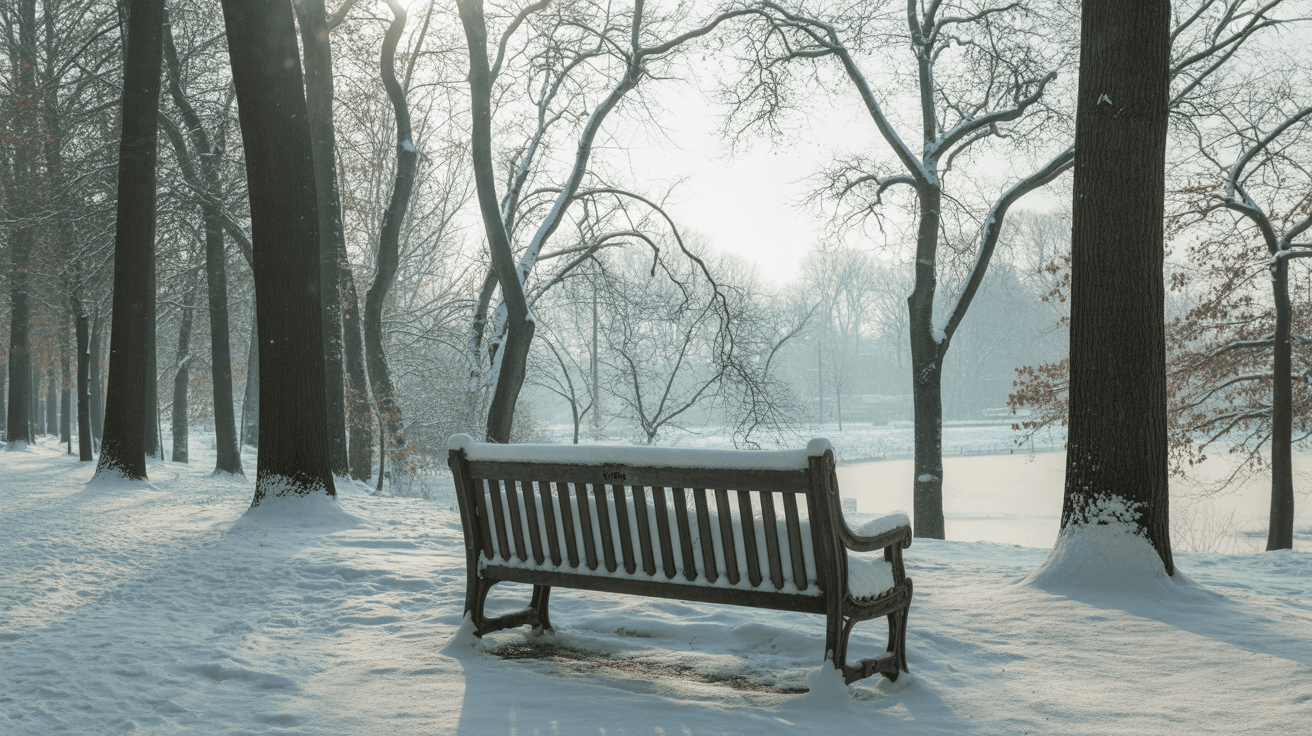
Toronto winter is a fact of life here. You cannot avoid it, you cannot wish it away, and you cannot experience Toronto fully without going through at least one. But you can prepare for it, adapt to it, and — this is the part that surprises people — find beauty in it. A fresh snowfall in the ravines is genuinely beautiful. A skate at Nathan Phillips Square on a crisp evening is genuinely magical. A cup of something hot after a cold walk is genuinely one of life's simple pleasures.
The cold is temporary. The memories of a winter well lived are permanent. Bundle up.