Best Neighbourhoods for Families in Toronto
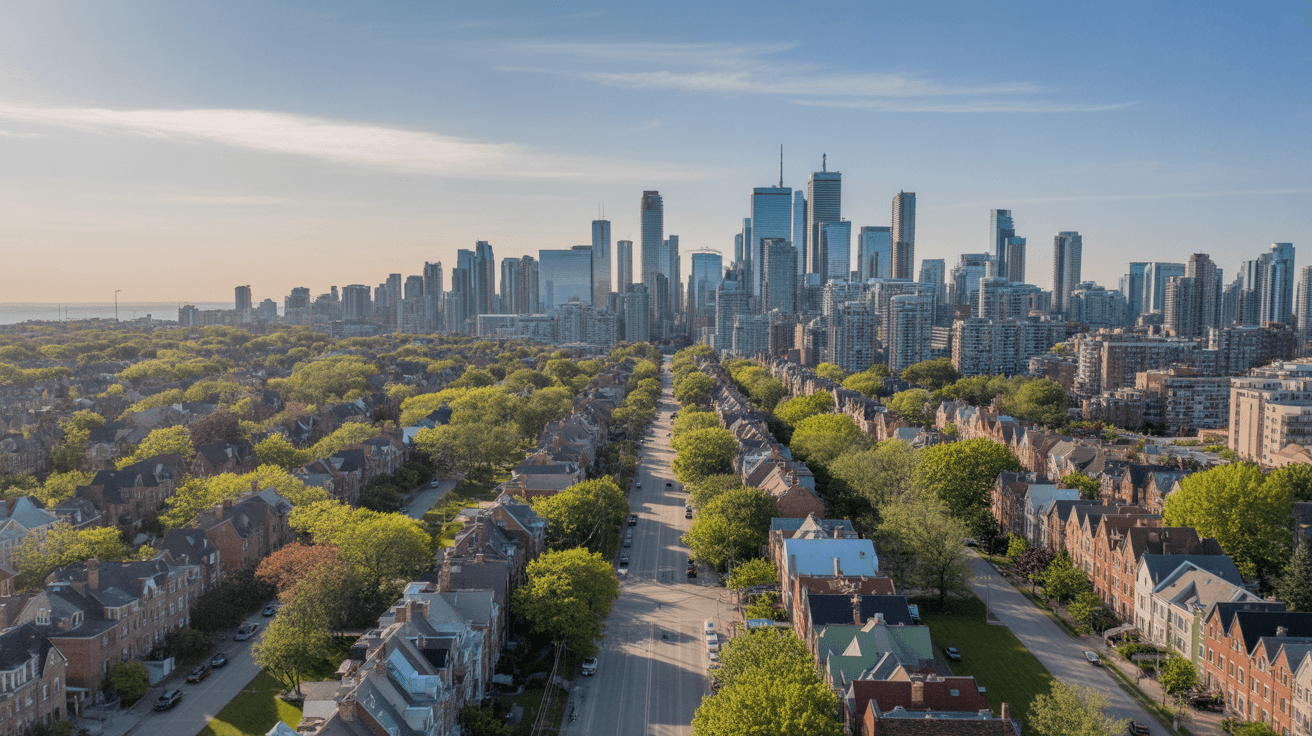
Raising a family in Toronto is a wonderful thing. Yes, real estate prices are high. Yes, the winters are long. But the quality of life for families here -- the schools, the parks, the sheer cultural richness your kids grow up surrounded by -- is genuinely hard to beat. The question is not whether Toronto is a good city for families. It is which neighbourhood is the right fit for yours.
Every family has different priorities: proximity to good schools, walkability, green space, community feeling, or simply being able to afford a home with a backyard. Here are six neighbourhoods that consistently deliver for families, each with its own distinct character.
Leaside
Leaside is the neighbourhood that other family neighbourhoods quietly measure themselves against. Tree-lined streets, handsome brick homes, excellent schools, and a strong sense of community make it one of the most desirable family areas in the city.
Schools: Leaside is served by some of the top-ranked public schools in Toronto, including Northlea Elementary and Middle School and Bessborough Drive Elementary School. Leaside High School has a strong academic reputation and an active parent community.
Parks and Play: Trace Manes Park is the neighbourhood gathering spot, with sports fields, a wading pool, and a playground. Howard Talbot Park and Serena Gundy Park add more green space, and the nearby Don Valley ravine system offers kilometres of trails for family hikes and bike rides. Evergreen Brick Works is just down the hill and has one of the best adventure playgrounds in the city.
Community Feel: Leaside has a small-town feeling that is increasingly rare in a major city. The shops along Bayview Avenue -- the local hardware store, the bookshop, the family restaurants -- create a genuine neighbourhood high street. The Leaside community association is active, and seasonal events like the annual garden tour draw the whole neighbourhood out.
Practical Notes: Daycare spots are competitive -- get on waitlists early. Housing prices are at the higher end, but many families consider the schools and quality of life worth the investment. Transit access is decent with buses connecting to the Yonge subway line, and the Leaside Bridge provides quick access to the Don Valley Parkway.

Roncesvalles (Roncy)
Roncesvalles is the neighbourhood that proves you can have urban energy and a strong family community in the same place. The main strip along Roncesvalles Avenue is one of the most walkable streets in Toronto, and on any given afternoon you will see as many strollers as you see dogs (and there are a lot of dogs).
Schools: The local public schools, including Fern Avenue Public School and Howard Junior Public School, have active parent councils and good reputations. Garden Avenue Public School is also highly regarded. The neighbourhood's family density means school communities are tight-knit and engaged.
Parks and Play: High Park is right at the southern end of the neighbourhood -- and having one of the largest urban parks in Canada as your backyard is an extraordinary family perk. The High Park Zoo (free), the adventure playground, Grenadier Pond, and the nature trails provide endless weekend entertainment. Sorauren Park on the eastern edge has a popular farmers market and a well-used playground.
Community Feel: Roncy has a distinct personality -- progressive, walkable, community-oriented, and proudly local. The Polish heritage of the neighbourhood is still visible in the bakeries and delis along the main strip. The annual Roncy Rocks street festival is a highlight, and the Revue Cinema on Roncesvalles is a beloved independent movie theatre that regularly screens family films.
Practical Notes: Housing is a mix of detached homes, semis, and some newer condo developments. Prices are high but somewhat more accessible than Leaside or the Beaches. The 504 King streetcar and the 505 Dundas streetcar provide transit connections, and the Bloor subway is accessible via Dundas West station.

The Beaches (The Beach)
Whether you call it "The Beaches" or "The Beach" (and locals will have strong opinions), this east-end neighbourhood along the waterfront is one of the most family-friendly communities in the city. The boardwalk, the sandy beach, and the village-like Queen Street strip create an atmosphere that feels more like a lakeside town than a neighbourhood in Canada's largest city.
Schools: Kew Beach Junior Public School and Williamson Road Junior Public School are both well-regarded. Malvern Collegiate Institute serves the area for secondary school and has a strong arts program. The neighbourhood also has several well-established Montessori and private school options.
Parks and Play: The beach itself is the main attraction -- kids grow up swimming, building sandcastles, and playing volleyball on the waterfront. Kew Gardens has a large playground, an ice rink in winter, and hosts the annual Beaches Jazz Festival. The boardwalk stretching from Woodbine to the Balmy Beach Club is perfect for family bike rides and evening walks. Glen Stewart Ravine provides a pocket of forest within walking distance.
Community Feel: The Beaches has a fierce neighbourhood pride. The shops along Queen East between Woodbine and Victoria Park include independent bookstores, ice cream shops, and family restaurants. The neighbourhood has a slower pace than downtown, and on a summer evening the boardwalk fills with families, couples, and joggers enjoying the lake breeze.
Practical Notes: The main transit connection is the 501 Queen streetcar, which connects to the rest of the city but can be slow. Commuting downtown from here takes time, so the Beaches tends to attract families where at least one parent works from home or has a flexible schedule. Housing is a mix of charming older homes and some newer infill, and prices reflect the premium location.
Bloor West Village
Bloor West Village, stretching along Bloor Street west of Jane Street to roughly Runnymede Road, is a classic Toronto family neighbourhood with an established, comfortable character. The main street is lined with independent shops, cafes, and services that cater to families.
Schools: The neighbourhood is served by several strong public schools. Runnymede Junior and Senior Public School and Swansea Junior and Senior Public School are both popular choices. The area also has well-regarded Catholic school options.
Parks and Play: High Park is accessible from the eastern edge of the neighbourhood. Rennie Park and Swansea Memorial Park provide local playground options. The Humber River trails at the western end of the neighbourhood offer wonderful cycling and walking paths, and in winter the outdoor rink at High Park is a family favourite.
Community Feel: Bloor West Village has a strong community identity built around its main shopping street. The Ukrainian heritage of the area is still visible in shops and churches, and the neighbourhood hosts a popular annual Ukrainian Festival. The Saturday morning routine of coffee and errands along Bloor feels like a small-town tradition.
Practical Notes: Transit access is solid with the Bloor-Danforth subway line running directly through the neighbourhood (Jane, Runnymede, and High Park stations). Housing ranges from more affordable semi-detached homes to larger detached properties. Daycare options are good, with several well-established centres and home daycares in the area.
North York (Willowdale and Bayview Village)
For families who want more space and are willing to be further from the downtown core, the central North York corridor along Yonge Street offers excellent value and strong infrastructure.
Schools: North York has some of the highest-performing schools in the Toronto District School Board. Earl Haig Secondary School is one of the most sought-after high schools in the city, with a renowned Claude Watson arts program. McKee Public School, Hollywood Public School, and Bayview Middle School are all well-regarded.
Parks and Play: Earl Bales Park is a sprawling green space with a ski and snowboard centre (yes, in Toronto), sports fields, and playgrounds. The nearby trail system along the West Don River is perfect for family outings. Bayview Village Park and the Willowdale network of smaller parks provide neighbourhood-level play space.
Community Feel: North York's family communities are diverse and welcoming. The Yonge and Sheppard corridor has developed into a vibrant urban centre with restaurants, shops, and services catering to a multicultural population. The neighbourhood feels suburban in the best sense -- spacious and family-oriented -- while still having urban amenities and subway access.
Practical Notes: Line 1 subway runs directly through the area with stops at Sheppard-Yonge, North York Centre, and Finch. Housing ranges from condos and townhomes to detached family homes, often at prices significantly lower than comparable homes in the central city. Grocery shopping options are excellent, with several large Asian supermarkets alongside conventional stores.
Riverdale and East York
Riverdale, centred around Broadview Avenue above the Danforth, and the adjacent areas of East York offer an increasingly popular alternative for families who want to be close to downtown without the downtown price premium.
Schools: Jackman Avenue Junior Public School, Earl Grey Senior Public School, and Withrow Avenue Junior Public School are all popular neighbourhood schools with engaged parent communities. Monarch Park Collegiate serves the area for secondary school.
Parks and Play: Withrow Park has one of the best farmers markets in the city, a large off-leash dog area, and a well-maintained playground and ice rink. Riverdale Park offers dramatic views of the downtown skyline and a large open green space that fills with families on summer evenings. The Don Valley ravine is accessible for hiking and cycling.
Community Feel: Riverdale and East York have a laid-back, community-minded feel. The Danforth strip through Greektown provides restaurants, shops, and services, while Broadview Avenue has its own growing collection of family-friendly cafes and stores. The neighbourhood is diverse, creative, and unpretentious -- the kind of place where neighbours actually know each other.
Practical Notes: The Broadview and Chester subway stations on Line 2 provide direct connections across the city. Housing is a mix of older detached and semi-detached homes, with prices that are more accessible than the west-end family neighbourhoods. The ongoing revitalization of the east side means the neighbourhood continues to gain amenities and services.
Choosing the Right Fit
Every family is different, and there is no single best neighbourhood. Here are a few questions to help you narrow down:
- How important is your commute? Neighbourhoods on the subway line (Bloor West Village, North York, Riverdale) offer the fastest connections to the rest of the city.
- Do you need a backyard? North York and Leaside offer the most space for the price. Roncesvalles and Riverdale are tighter but compensate with excellent nearby parks.
- What school system matters to you? Research specific schools, not just neighbourhood reputations. The TDSB and TCDSB both have school-by-school data available online.
- What is your family's lifestyle? Beach families are different from Roncy families are different from Leaside families. Spend time in each neighbourhood on a weekend and see where you feel at home.
Toronto is a city that loves its families. Whichever neighbourhood you choose, you will find playgrounds, libraries, community centres, and neighbours who look out for each other. Welcome home.